Home · PAWLOGIC GUIDE
An Indoor Herb Garden for Homes With Dogs
Grow useful herbs on a bright sill while keeping the setup stable and accessible.
Before you begin
Walk through the space at your dog’s height and note access points, chewing hazards, slippery surfaces, and items that can be knocked over. Gather supplies first, read every product label, and plan a separate comfortable place for your dog while you work. A small, finished improvement is more useful than an ambitious project left halfway complete.
Choose familiar herbs
Basil, rosemary, thyme, sage, dill, and cilantro are practical starting points, but always verify the exact plant and your pet’s individual needs.
Test the change during a calm part of the day and supervise the first few uses. Watch how your dog actually moves through the area; behavior is better evidence than a layout that only looks tidy. Adjust placement if the new setup blocks a familiar route or encourages reaching, climbing, or chewing.
Use a sturdy station
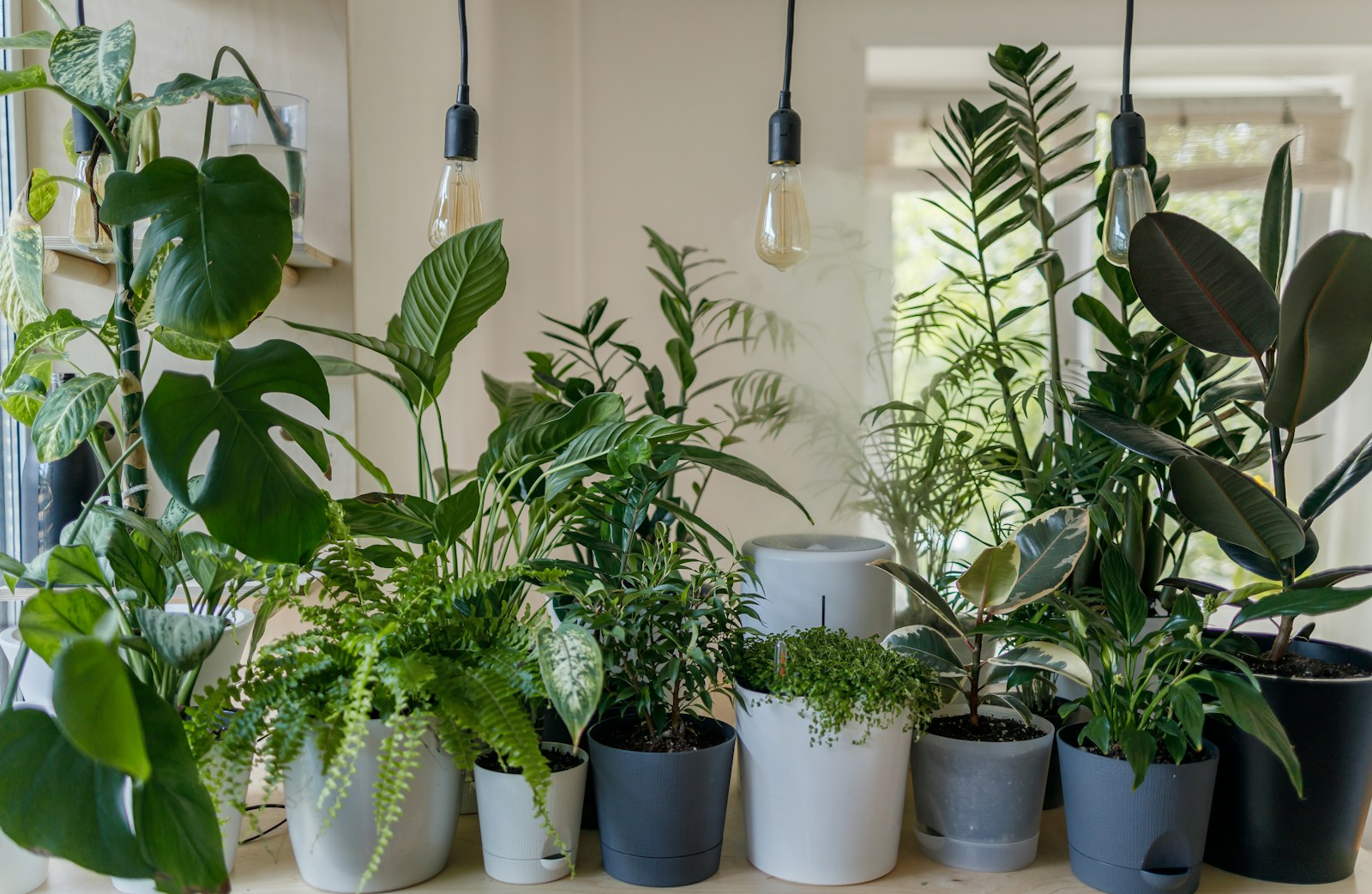
Choose heavy pots with saucers and place them where tails and curious noses cannot knock them down. Avoid loose plant stakes.
Choose materials that can be cleaned, inspected, and replaced without dismantling the whole setup. Keep packaging and care instructions for products you may need to identify later, and avoid assuming that a product described as natural is automatically safe for pets.
Water carefully
Empty standing water from saucers, wipe spills, and monitor soil for mold or pests. Store plant food securely.
Test the change during a calm part of the day and supervise the first few uses. Watch how your dog actually moves through the area; behavior is better evidence than a layout that only looks tidy. Adjust placement if the new setup blocks a familiar route or encourages reaching, climbing, or chewing.
Harvest regularly
Pinch herbs to encourage growth, remove damaged leaves, and use clean scissors. Replace struggling plants rather than treating them with unsuitable products.
Choose materials that can be cleaned, inspected, and replaced without dismantling the whole setup. Keep packaging and care instructions for products you may need to identify later, and avoid assuming that a product described as natural is automatically safe for pets.
Match herbs to the window
Track direct sun for several days and note cold glass, radiator heat, and drafts. Choose herbs that suit the actual conditions, then verify each botanical name against a trusted pet-safety database. Keep labels. Culinary use by people does not automatically mean unrestricted chewing is appropriate for a dog.
Build a stable growing station
Use broad pots, matching saucers, and a shelf that cannot tip when bumped. Keep trailing leaves, plant lights, cords, stakes, and watering cans out of reach. Empty saucers after watering and wipe spills immediately. Potting mix, fertilizer, pest-control products, and harvested trimmings belong in closed storage.
WATCH & LEARN
A beginner’s guide to growing herbs indoors
Supporting video by Epic Gardening. Video is hosted by YouTube and may be subject to YouTube’s terms and privacy practices.
Monitor the small ecosystem
Inspect leaves and soil weekly for mold, gnats, pests, or rot. Improve light and watering before reaching for treatments. Remove damaged growth and wash hands after handling products. If a plant needs a pesticide that cannot be used safely in the household, replace the plant rather than creating a complex exclusion problem.
A simple maintenance rhythm
Inspect the finished area after the first day, again after one week, and whenever the season or household routine changes. Add a quick visual check to an activity you already do, such as refilling the water bowl or taking out garden tools. Clean spills promptly, repair loose parts, and remove damaged materials instead of waiting for a larger reset.
Take a photo when the setup is working well. It becomes a useful reference after cleaning, travel, or rearranging furniture. If more than one person uses the space, agree on where supplies belong and who handles the recurring check.
Sources and further reading
Sources are provided for verification and deeper reading. PawLogic is not affiliated with these organizations.