Cleaning · PAWLOGIC GUIDE
A Practical Pet-Safe Cleaning Routine
Clean effectively while reducing residues, strong fragrances, and household stress.
Before you begin
Walk through the space at your dog’s height and note access points, chewing hazards, slippery surfaces, and items that can be knocked over. Gather supplies first, read every product label, and plan a separate comfortable place for your dog while you work. A small, finished improvement is more useful than an ambitious project left halfway complete.
Read labels first
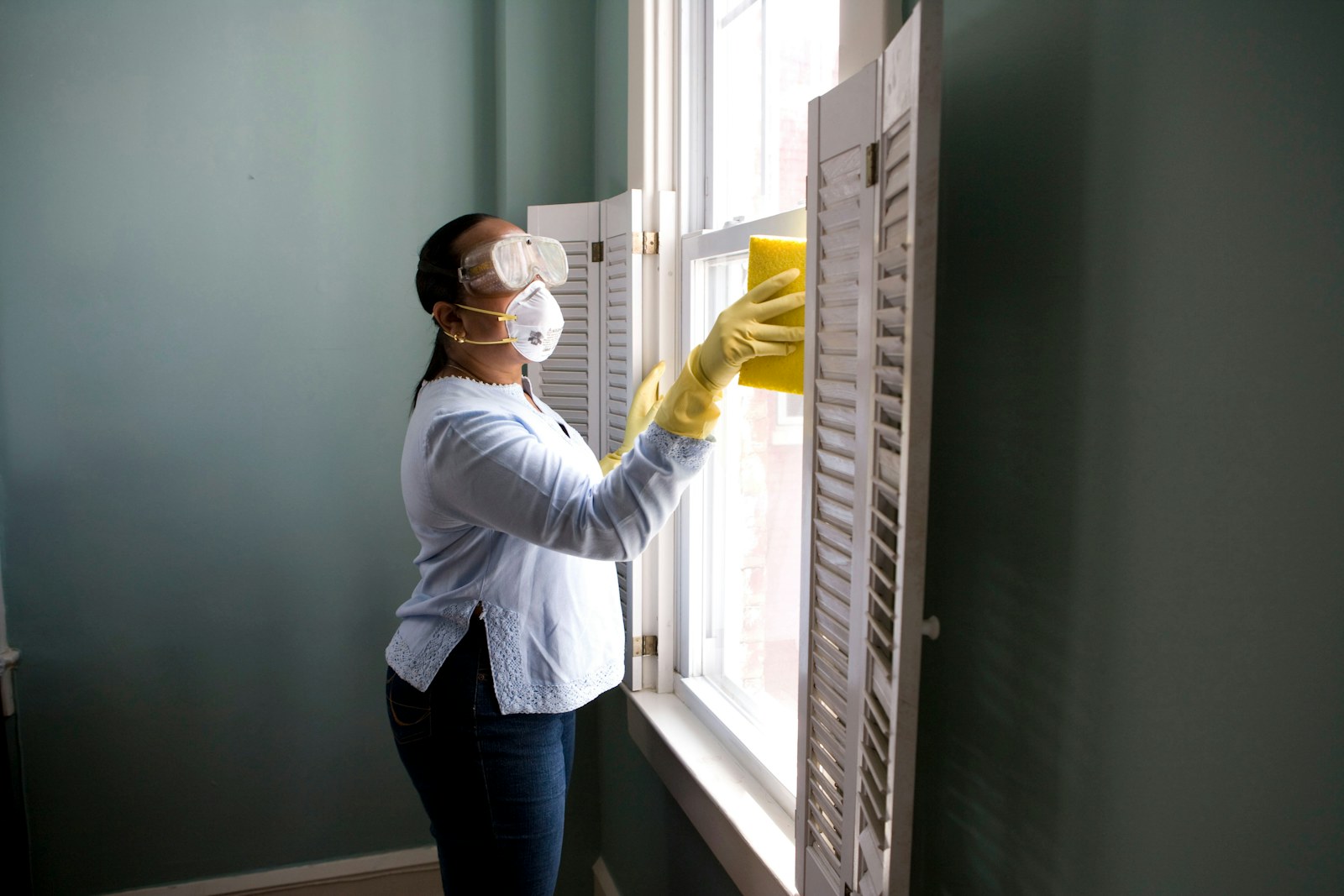
Use products according to their labels and keep animals away until surfaces are dry. Never mix cleaning chemicals. Ventilate rooms and store concentrates behind a secure door.
Test the change during a calm part of the day and supervise the first few uses. Watch how your dog actually moves through the area; behavior is better evidence than a layout that only looks tidy. Adjust placement if the new setup blocks a familiar route or encourages reaching, climbing, or chewing.
Work from clean to dirty
Dust high surfaces, vacuum upholstery and floors, then damp-clean hard surfaces. This sequence keeps loose hair and soil from settling on areas you already cleaned.
Choose materials that can be cleaned, inspected, and replaced without dismantling the whole setup. Keep packaging and care instructions for products you may need to identify later, and avoid assuming that a product described as natural is automatically safe for pets.
Focus on touch points
Wash food bowls daily, water bowls with every refill, and bedding according to its care label. Clean crate trays, door glass, baseboards, and the wall beside feeding areas weekly.
Test the change during a calm part of the day and supervise the first few uses. Watch how your dog actually moves through the area; behavior is better evidence than a layout that only looks tidy. Adjust placement if the new setup blocks a familiar route or encourages reaching, climbing, or chewing.
Build a ten-minute reset
Put toys in a basket, shake outdoor mats, vacuum the main route, and wipe visible marks. Consistency matters more than an occasional exhausting deep clean.
Choose materials that can be cleaned, inspected, and replaced without dismantling the whole setup. Keep packaging and care instructions for products you may need to identify later, and avoid assuming that a product described as natural is automatically safe for pets.
Choose products deliberately
Start with the least complicated product that can do the job and read the full label, including dilution and ventilation directions. Keep the original container so ingredients and emergency information remain available. A pleasant scent does not indicate safety, and a natural label is not a substitute for instructions. Never combine bleach, ammonia, acids, or other cleaners. If your pet has respiratory, skin, or neurological sensitivities, ask your veterinarian before changing products.
Separate pets from the work zone
Move bowls, toys, bedding, and the dog to another comfortable room before spraying or mopping. Prevent access until surfaces are dry and the room has aired out as directed. Use barriers rather than expecting a curious dog to understand a wet-floor warning. Rinse food-contact surfaces when the label requires it and wash your hands before handling treats or medication.
WATCH & LEARN
Practical cleaning techniques for homes with dogs
Supporting video by Más que un amigo. Video is hosted by YouTube and may be subject to YouTube’s terms and privacy practices.
Clean according to risk
A feeding area needs frequent washing; a shelf may only need dusting. Give priority to bowls, bedding, accident locations, door handles, floors near entrances, and the places where fur and moisture collect. Vacuum before damp cleaning so hair does not spread. Record deeper tasks on a monthly rotation. A predictable light routine usually controls soil better than occasional aggressive cleaning.
A simple maintenance rhythm
Inspect the finished area after the first day, again after one week, and whenever the season or household routine changes. Add a quick visual check to an activity you already do, such as refilling the water bowl or taking out garden tools. Clean spills promptly, repair loose parts, and remove damaged materials instead of waiting for a larger reset.
Take a photo when the setup is working well. It becomes a useful reference after cleaning, travel, or rearranging furniture. If more than one person uses the space, agree on where supplies belong and who handles the recurring check.
Sources and further reading
Sources are provided for verification and deeper reading. PawLogic is not affiliated with these organizations.